
Artificial Intelligence (AI) has transitioned from a futuristic concept to an integral part of our daily lives, particularly within our homes. From voice-activated assistants to intelligent appliances, AI-driven smart devices are transforming the way we live, offering unprecedented convenience, efficiency, and personalization. This article delves into the current landscape of AI in smart homes, exploring its impact, benefits, challenges, and the future it heralds.
The Rise of AI in Smart Homes
Market Growth and Adoption
The smart home market has witnessed significant growth over the past few years. In 2023, the global smart home market was valued at approximately $100.42 billion, with projections estimating it to reach $127.67 billion by 2024 . North America leads this market, accounting for 40% of the global share.
In the United States, smart home device adoption has been on the rise. From 2018 to 2023, the number of U.S. homes utilizing smart home devices increased by 10.2%, reaching 63.43 million. Projections indicate this number will grow to 77.05 million by the end of 2025 .
“Smart Home Statistics and Trends 2024” – Strategic Market Research
Driving Factors
Several factors contribute to the increasing adoption of AI in smart homes:
- Convenience and Automation: AI enables devices to learn user behaviors and preferences, automating routine tasks.
- Energy Efficiency: Smart thermostats and lighting systems optimize energy consumption, leading to cost savings.
- Enhanced Security: AI-powered security systems provide real-time monitoring and alerts.
- Health and Wellness: Devices like air purifiers and sleep trackers contribute to improved well-being.
Key AI-Driven Smart Home Devices
Smart Thermostats
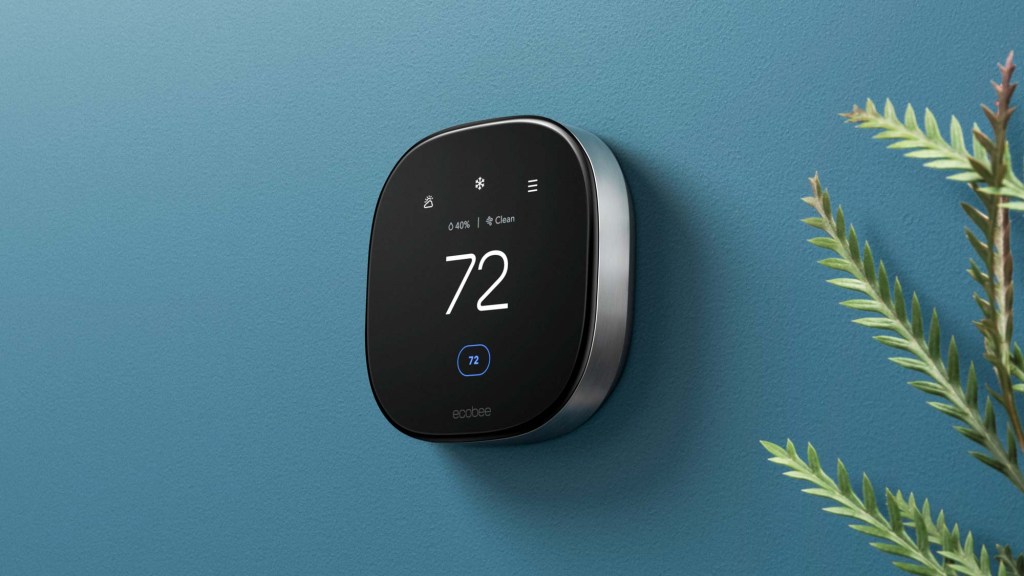
Smart thermostats, such as the Google Nest Learning Thermostat, utilize AI to learn household patterns and adjust temperatures accordingly. These devices contribute to energy savings and increased comfort.
AI-Powered Refrigerators
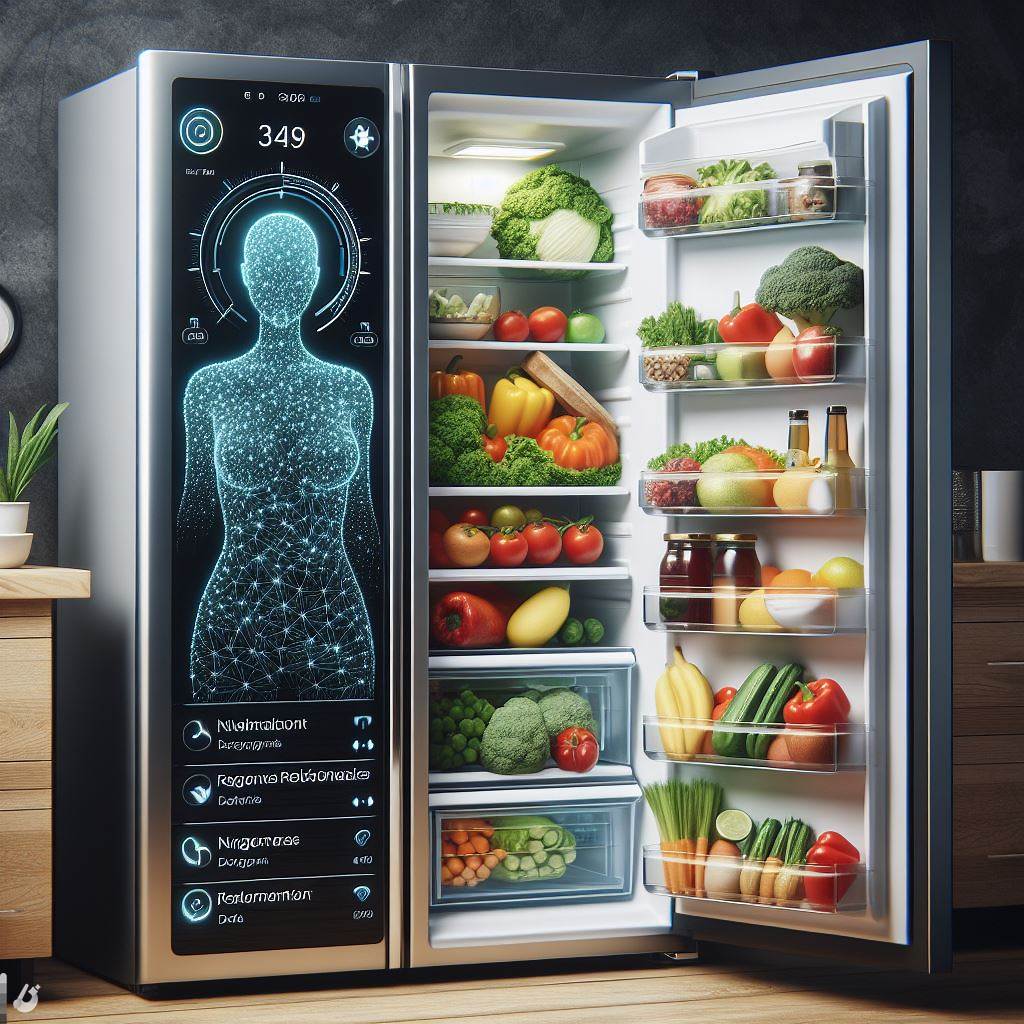
Modern refrigerators, like Samsung’s AI-enhanced models, feature internal cameras and AI algorithms to monitor food inventory, suggest recipes, and even place grocery orders. These innovations aim to reduce food waste and streamline meal planning.
”AI DON’T BELIEVE IT: Samsung turns TVs into ‘intelligent companions’ that keep an eye on your home and talk with your other gadgets” – The Irish Sun
Smart Security Systems
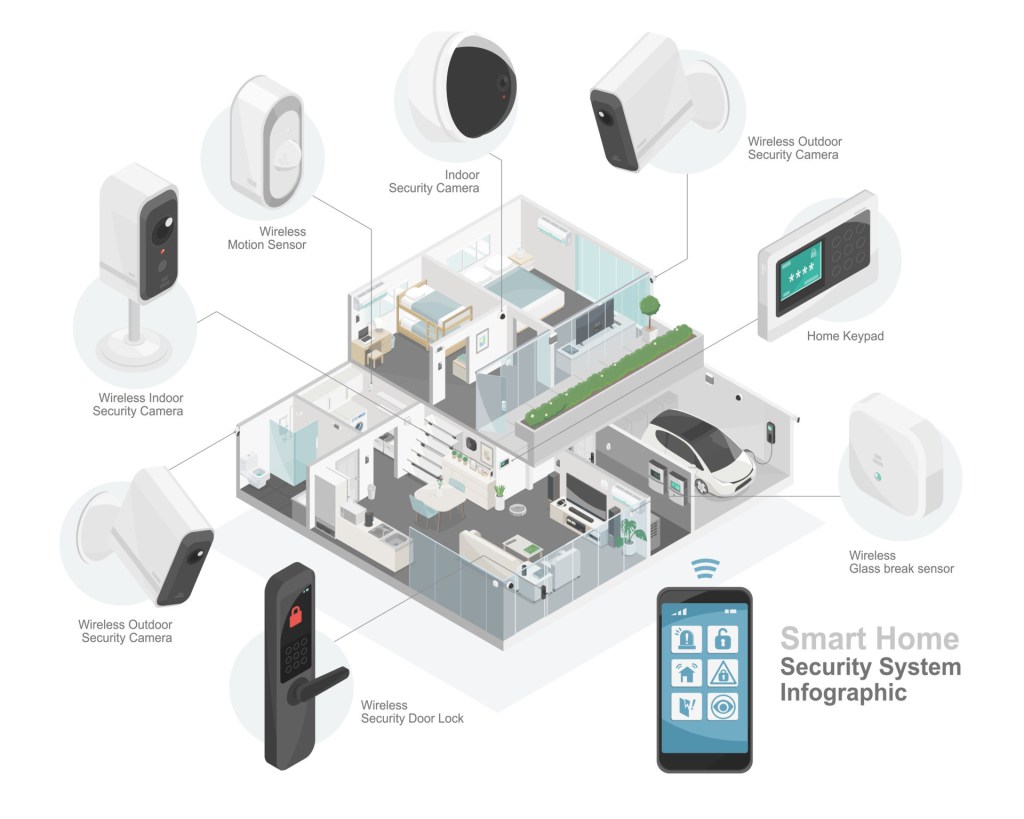
AI-driven security systems incorporate facial recognition, motion detection, and real-time alerts to enhance home safety. These systems can differentiate between familiar faces and potential intruders, reducing false alarms.
Voice Assistants

Voice-activated assistants like Amazon Alexa, Google Assistant, and Apple’s Siri have become central hubs for smart home control. They allow users to manage devices, set reminders, and access information through simple voice commands.
Robotic Vacuum Cleaners
Robotic vacuums, such as the iRobot Roomba 960, use AI to map home layouts, schedule cleanings, and navigate obstacles, providing hands-free floor maintenance.
Benefits of AI Integration in Homes
Energy Efficiency
AI optimizes energy usage by learning user habits and adjusting systems accordingly. For instance, smart thermostats reduce heating and cooling costs by adapting to occupancy patterns.
Enhanced Security
AI-powered security systems provide real-time surveillance, facial recognition, and anomaly detection, offering homeowners peace of mind.
Personalized Experiences
AI enables devices to tailor experiences based on user preferences, such as adjusting lighting for different moods or suggesting music playlists.
Health and Wellness Monitoring
Smart devices monitor air quality, sleep patterns, and physical activity, contributing to improved health outcomes.
Challenges and Considerations
Privacy Concerns
The integration of AI in homes raises significant privacy issues. Devices often collect and process personal data, leading to concerns about data security and unauthorized access .
What are the privacy concerns with AI in smart home devices? – Aman Priyanshu
Data Security
As smart devices become more interconnected, the risk of cyberattacks increases. Ensuring robust security measures and regular software updates is crucial to protect user data.
Interoperability
With various manufacturers producing smart devices, ensuring compatibility and seamless integration remains a challenge. Standardization efforts are ongoing to address this issue.
Cost
The initial investment for smart home devices can be substantial. However, long-term savings through energy efficiency and convenience often offset the upfront costs.
The Future of AI in Smart Homes
The future of AI in smart homes looks promising, with advancements focusing on increased personalization, improved interoperability, and enhanced security. Emerging technologies aim to create more intuitive and responsive living environments, further integrating AI into our daily routines.
“Why Smart Digital Homes Are Essential for Your Future in 2025” – Daisy
AI-driven smart home devices are revolutionizing the way we live, offering unparalleled convenience, efficiency, and personalization. While challenges such as privacy and interoperability persist, ongoing advancements and standardization efforts are paving the way for more secure and integrated smart home ecosystems. As technology continues to evolve, embracing AI in our homes holds the potential to significantly enhance our quality of life.


Leave a reply to 7 Micro Habits to Transform Your Weekend – The Daily Upgrade Cancel reply