
Why Do We Put Things Off?
We all do it. That one thing on your list just sits there for days, weeks, maybe even months. You keep saying, “I’ll do it tomorrow.” But tomorrow turns into next week. Whether it’s folding laundry, writing that email, or cleaning out the garage, sometimes the smallest tasks feel like the hardest ones to start.
The good news? You don’t need more willpower or a full day of motivation. You just need a few easy tricks to outsmart your brain. These steps are simple, take only minutes, and work because they lower the pressure and help you take action without feeling overwhelmed.
Step 1: Name What’s Holding You Back

Start by asking yourself: Why am I really avoiding this? Maybe it feels boring. Maybe it seems like it’ll take forever. Or maybe you’re scared it won’t go well. Whatever the reason, naming the feeling takes away some of the power it has over you.
You don’t have to fix the feeling. Just call it what it is. “I’m putting this off because I don’t know where to start” is way more helpful than just saying “I’m lazy.” Be kind to yourself. Resistance is normal.
Step 2: Try the 5-Minute Rule

Tell yourself you only have to do the task for five minutes. That’s it. Set a timer and stop when it goes off if you want. Most of the time, once you start, you’ll want to keep going. But even if you stop, you still win—because starting is the hardest part.
This trick works because your brain sees five minutes as easy. It lowers the mental wall. You’re not committing to the whole job, just a tiny part.
Try this:
- Set a 5-minute timer.
- Start the task.
- Stop if you want to when time’s up.
- If you feel like continuing, go for it!
Step 3: Pair It With Something You Like
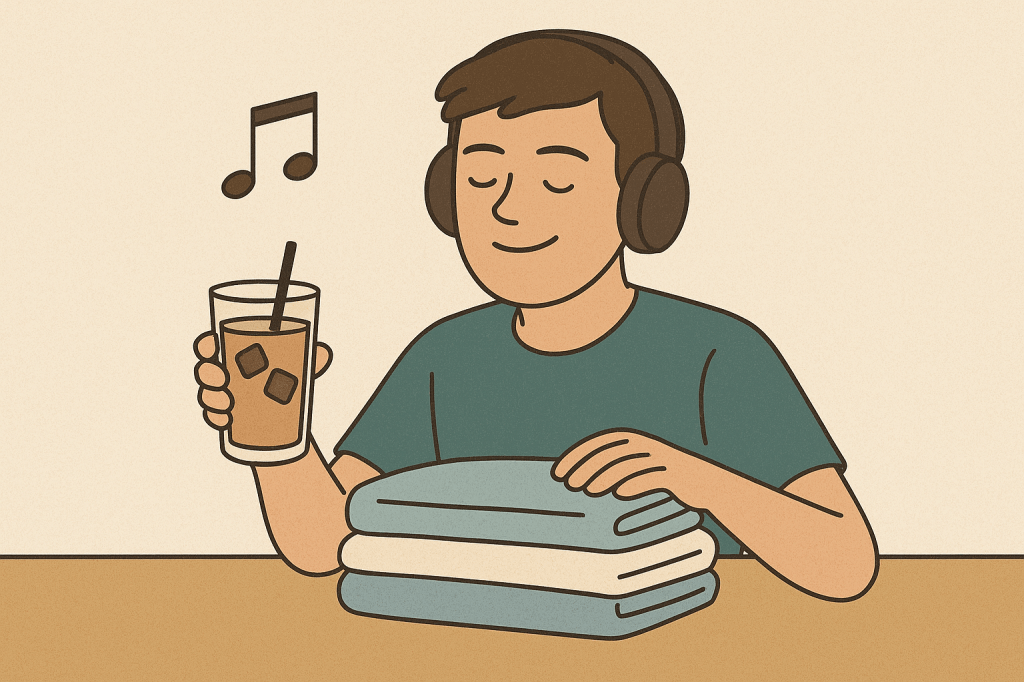
If the task feels boring or annoying, add something fun to it. This is called “temptation bundling.” It works by linking a hard task to a reward or treat you enjoy. The fun part makes the boring part easier to start.
You could:
- Fold laundry while watching your favorite show
- Clean the kitchen while listening to a funny podcast
- Tidy your room while sipping a favorite drink
It turns the chore into something you almost look forward to.
Step 4: Keep the Win Small

Your brain loves wins. But if the goal is too big, it doesn’t feel doable. Instead of aiming for “finish the whole garage,” aim for “sort one box.” That’s a win. Then maybe you do one more. Maybe not. Either way, you moved forward.
Small wins give you a boost of energy. They tell your brain, “I can do this.” So don’t wait for a full free afternoon or a perfect plan. Just do the first tiny part.
Shrink the task like this:
- “Organize closet” → “Hang up five shirts”
- “Start workout plan” → “Stretch for five minutes”
- “Clean inbox” → “Reply to one message”
A Simple Trick to Use Today

Pick one thing on your list that you’ve been avoiding. Just one. Then ask: Why am I stuck? What part can I do for just five minutes? What treat can I pair with it? How can I make the goal smaller?
You don’t need to finish the whole thing right now. You just need to start. That five minutes might be the spark that gets you going. Or maybe it just helps you feel less stuck. Either way, you’re winning.
Want help staying on track with your small wins? Drop a comment below and share the one task you’re going to try this with today. Let’s get moving, one tiny step at a time.


Leave a comment