

Living in USDA Hardiness Zone 10 means you get to enjoy a tropical or subtropical climate year-round—one that invites vibrant colors, lush greenery, and plenty of plant options that thrive in the warmth. Whether you’re in coastal Southern California, southern Florida, or parts of southern Texas, Zone 10 gives you the perfect backdrop for creating a backyard oasis.
What Is Hardiness Zone 10?
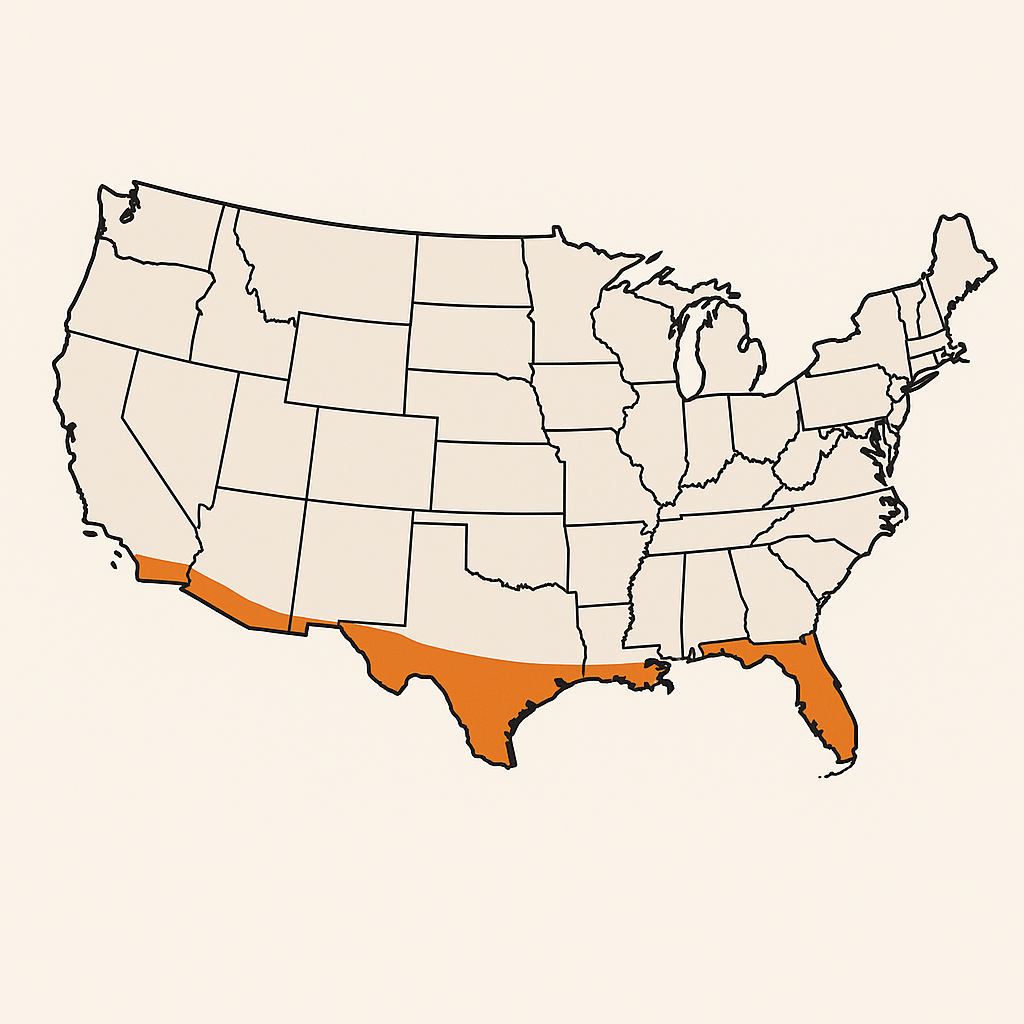
The USDA Hardiness Zone Map is the gold standard for determining which plants can thrive in specific regions based on the lowest average winter temperatures. Zone 10 is split into two subzones:
- Zone 10a: 30°F to 35°F
- Zone 10b: 35°F to 40°F
This zone includes much of the southern tip of Florida, coastal Southern California (think San Diego and Los Angeles), and small parts of Arizona and Texas. These warm zones rarely experience frost, making them ideal for tropical and subtropical plants that can’t handle cold snaps.
Why Plants Matter in Your Backyard
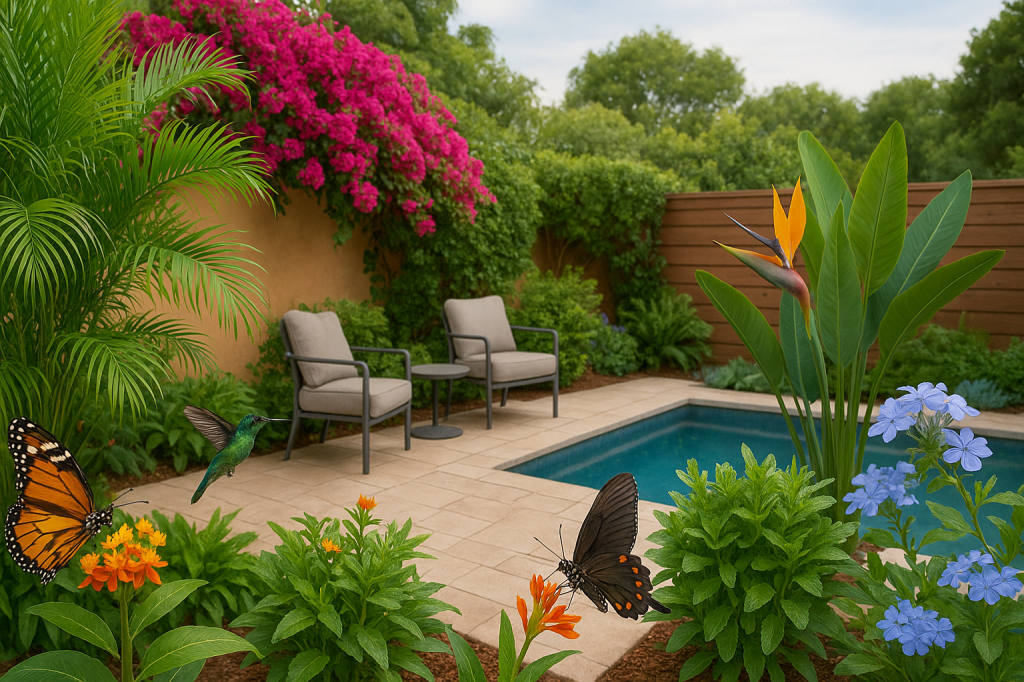
Plants do more than just fill space. In a Zone 10 yard, the right plants can:
- Add stunning tropical or Mediterranean flair
- Attract butterflies and hummingbirds
- Repel mosquitoes naturally
- Create shade or privacy
- Elevate the visual appeal of patios, pools, and fences
With so many choices available, it helps to focus on plants that either bring beauty, utility, or (even better) both.
1. Areca Palm (Dypsis lutescens)
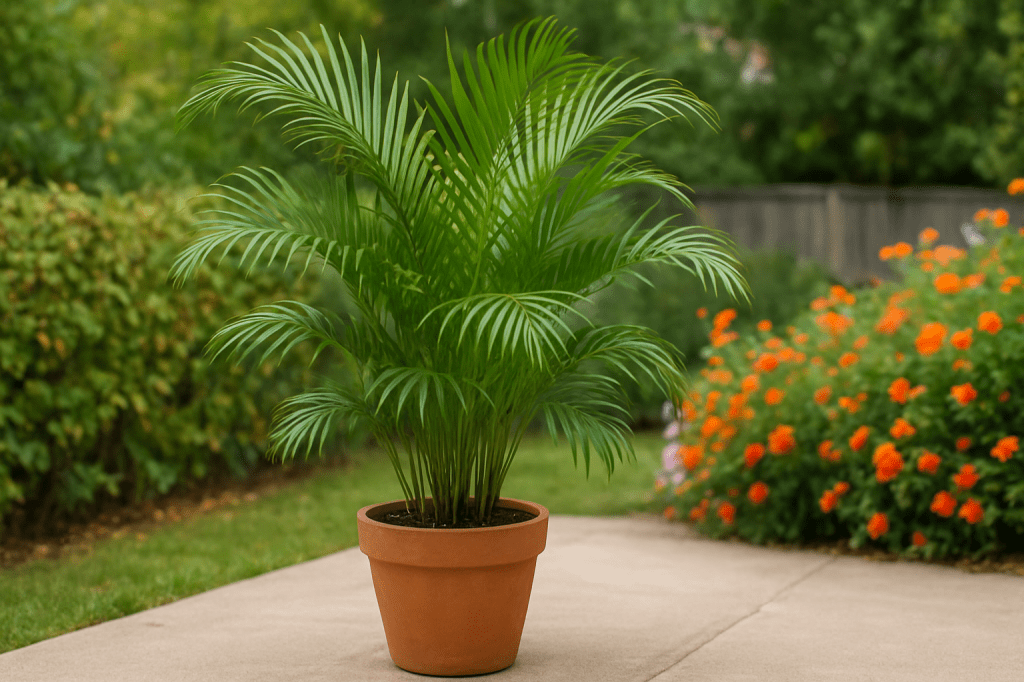
Type: Potted palm
Best For: Tropical aesthetic, privacy screening
Areca Palms are a backyard classic for Zone 10. These feathery, arching palms can be grown directly in the ground or kept in large pots for flexible patio placement. Known for their lush green fronds and quick growth, they work beautifully as privacy screens or to create that laid-back island vibe.
Care Tips:
- Prefers partial to full sun
- Keep soil consistently moist but not soggy
- Benefits from regular trimming to keep a clean look
2. Bougainvillea
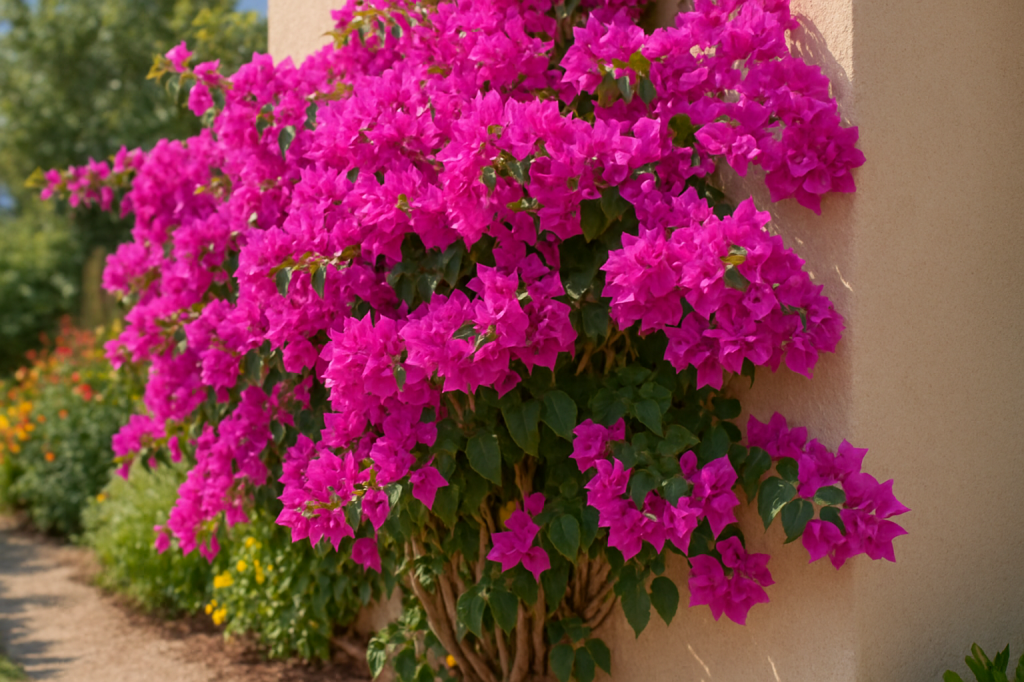
Type: Flowering vine/shrub
Best For: Color impact, wall/fence coverage
If you want color, bougainvillea delivers in spades. Its paper-like blooms come in pinks, purples, reds, and oranges, and they love the dry heat of Zone 10. You can train them to climb over fences or let them sprawl as a vibrant ground cover.
Care Tips:
- Needs full sun
- Drought-tolerant once established
- Use gloves when pruning—thorns can be sneaky!
3. Milkweed (Asclepias curassavica)
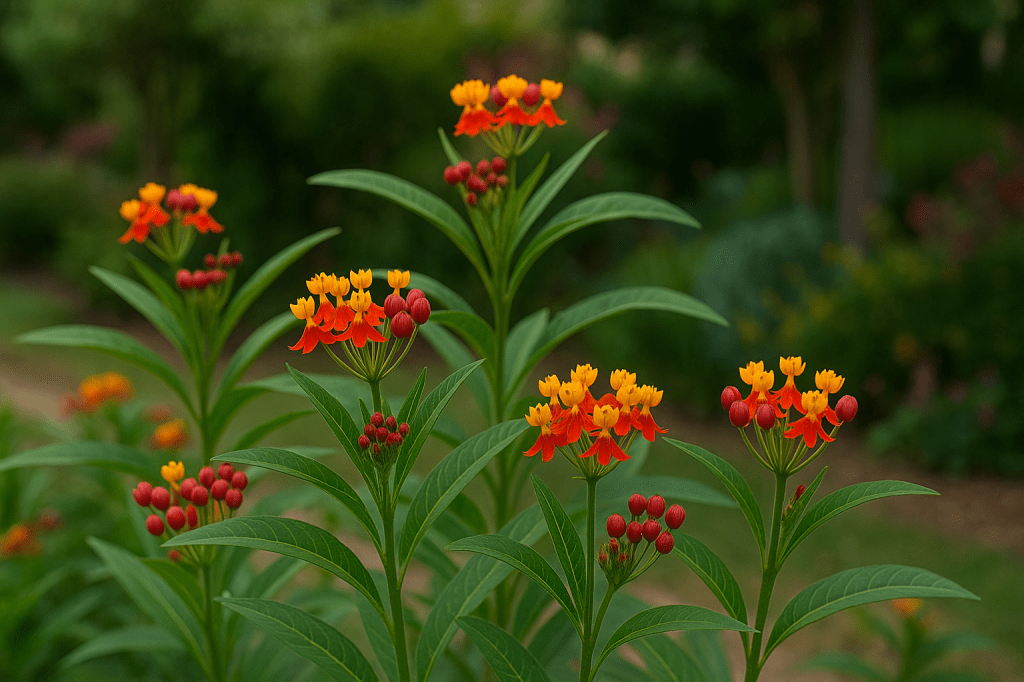
Type: Perennial flowering plant
Best For: Attracting butterflies, especially monarchs
Milkweed is the essential plant for anyone hoping to support pollinators. Monarch butterflies rely on it to lay eggs and feed their caterpillars. This plant grows well in Zone 10 and will reward you with fluttering guests all season long.
Care Tips:
- Full sun is ideal
- Cut back in the fall to prevent aphids
- Consider planting near a sunny fence or border garden
4. Citronella (Pelargonium citrosum)
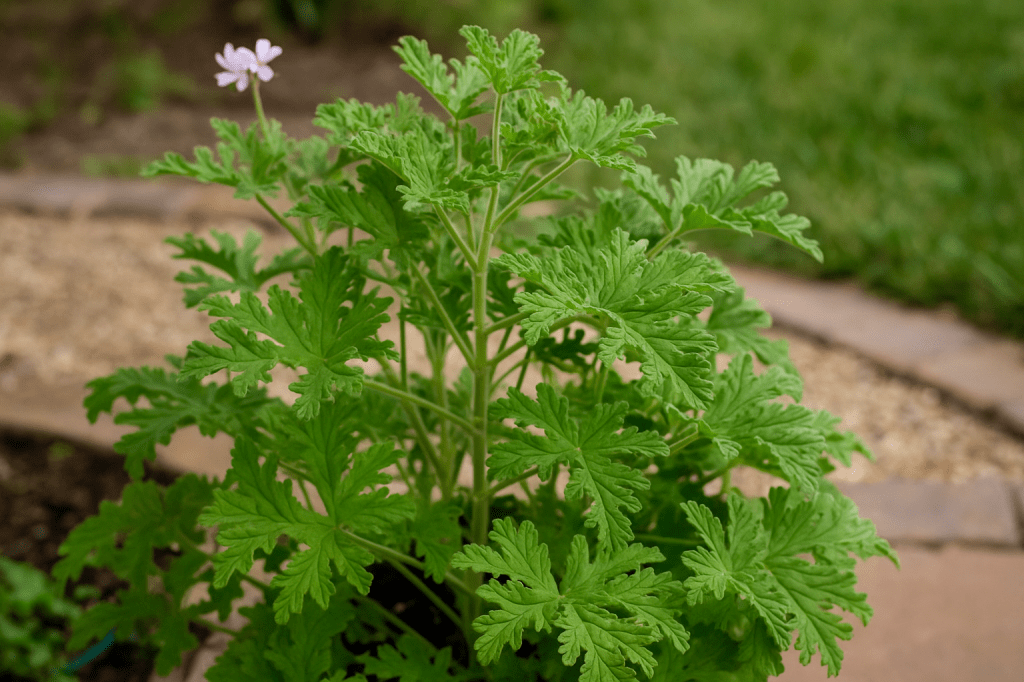
Type: Herbaceous perennial
Best For: Mosquito repelling
Often called the “mosquito plant,” citronella geraniums release a citrusy scent that bugs dislike. While it’s not a magic forcefield, having these around seating areas, doorways, or patios can help reduce mosquito presence when paired with other repellents.
Care Tips:
- Thrives in full sun with well-draining soil
- Can be planted in pots or directly in beds
- Trim often to encourage bushier growth
5. Bird of Paradise (Strelitzia reginae)
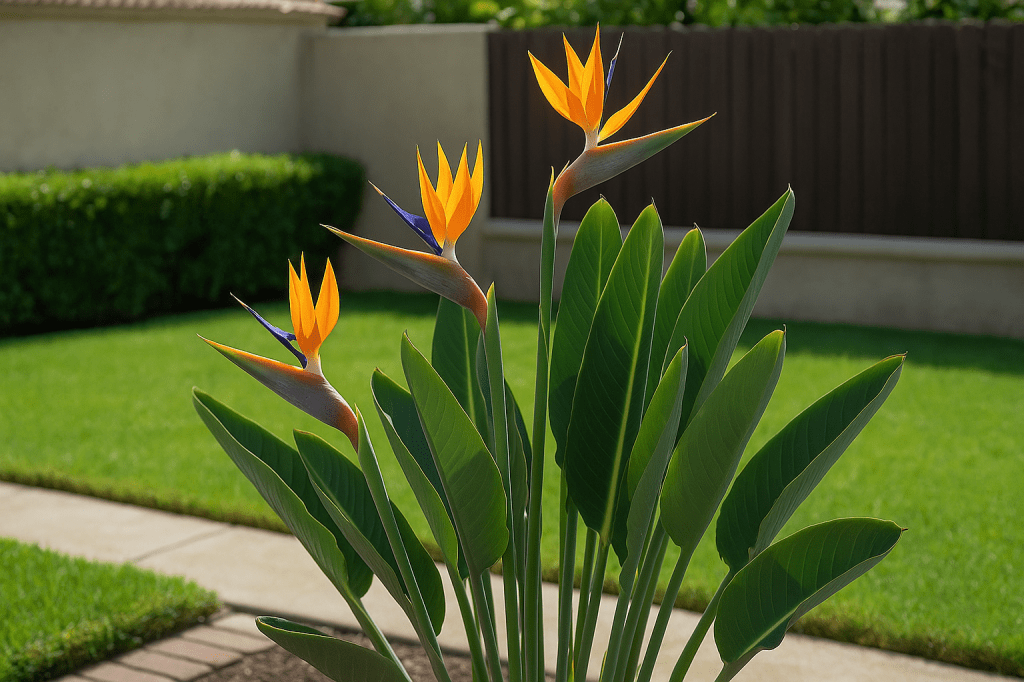
Type: Flowering tropical plant
Best For: Visual statement, exotic flair
Known for its bold, architectural flowers that resemble birds mid-flight, the Bird of Paradise is practically made for Zone 10 landscapes. The striking orange-and-blue blooms make it a conversation starter by the pool or in garden beds.
Care Tips:
- Full sun encourages blooming
- Keep soil moist during the growing season
- Can tolerate some drought once mature
6. Plumbago (Plumbago auriculata)
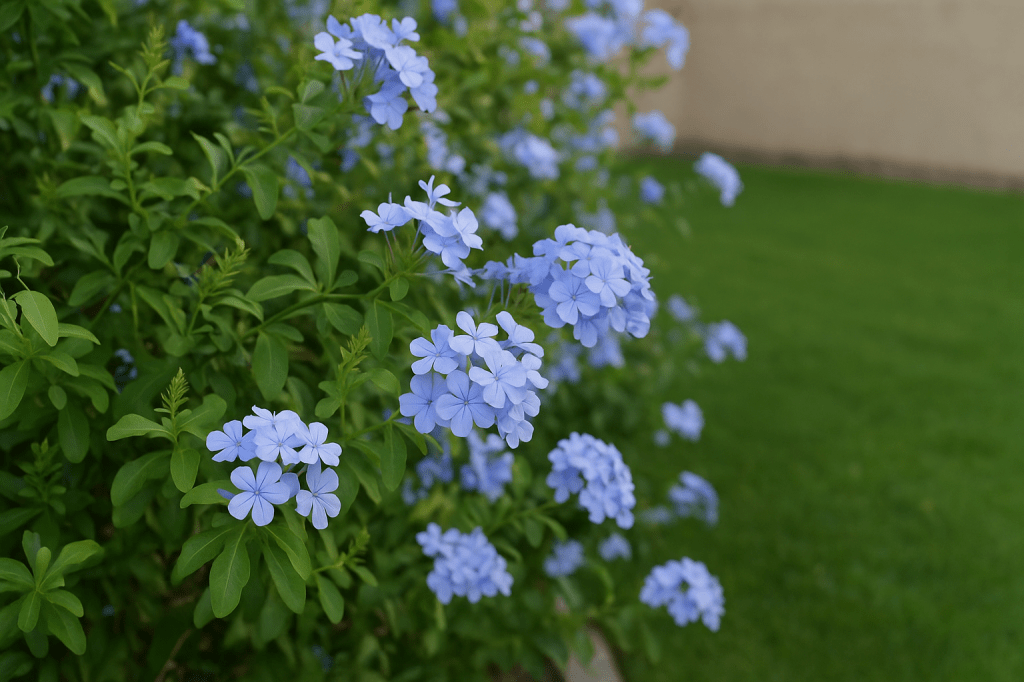
Type: Shrub or trailing groundcover
Best For: Soft texture, sky-blue blooms
Plumbago offers delicate blue flowers that contrast beautifully with bright green foliage. It’s a low-maintenance option that thrives in the heat and adds a softness to hardscapes, borders, or large pots.
Care Tips:
- Prefers full sun but can handle light shade
- Prune to shape or encourage trailing
- Drought-tolerant once established
7. Lemongrass (Cymbopogon citratus)
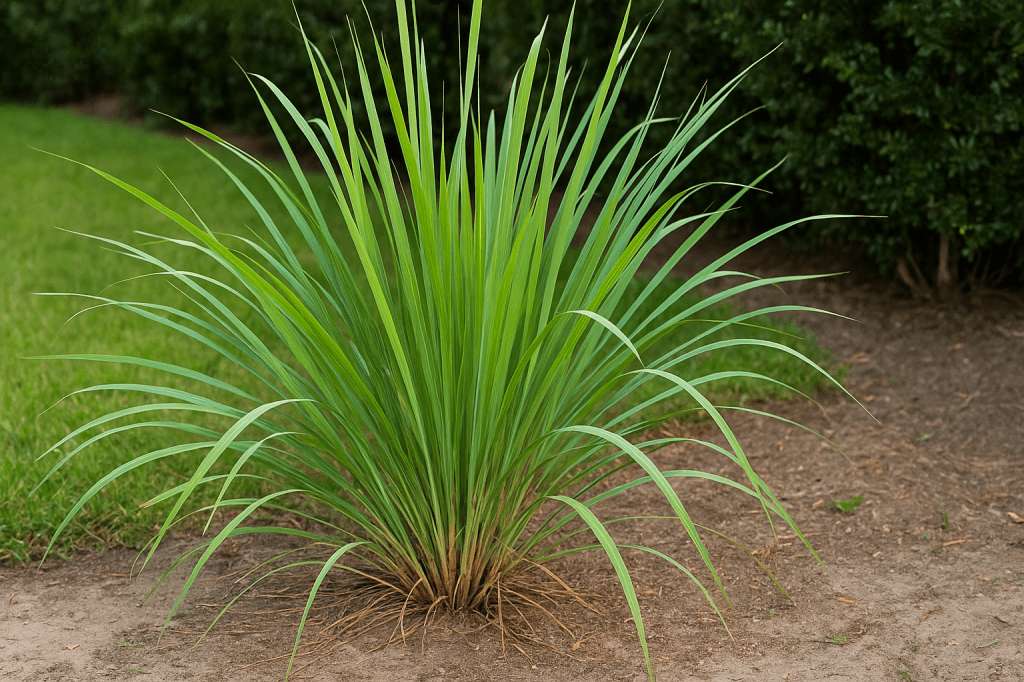
Type: Tall grassy herb
Best For: Mosquito repellent and cooking
This tall, fragrant grass not only deters mosquitoes but also works great in the kitchen. It adds a citrusy kick to dishes and cocktails, making it perfect for backyard chefs and outdoor mixologists.
Care Tips:
- Plant in full sun in well-draining soil
- Divide clumps yearly to control spread
- Keep it in a large pot to prevent takeover
Conclusion: Cultivating Function and Beauty
Hardiness Zone 10 offers an unbeatable palette for backyard designers—whether you’re cultivating tropical beauty, boosting biodiversity, or simply keeping bugs at bay. From towering palms to vibrant flowers and practical herbs, each plant can bring purpose to your yard beyond its looks. With the right choices, your backyard becomes more than just a space—it becomes a sanctuary.


Leave a comment