
Spoiler alert: It’s not just you. Mondays really do suck, and neuroscience has receipts. If you’ve ever found yourself staring blankly at a spreadsheet, wondering why you feel like you’ve been hit by a motivational dump truck, you’re not lazy. You’re just biologically confused.
In this article, we’re diving deep into your brain’s Monday meltdown. We’ll cover what’s happening inside that squishy gray matter of yours, why it resists the idea of productivity after a weekend of freedom, and how you can trick it into cooperating. No brain cells will be harmed in the process.
The Biological Battle: Why Mondays Feel So Hard
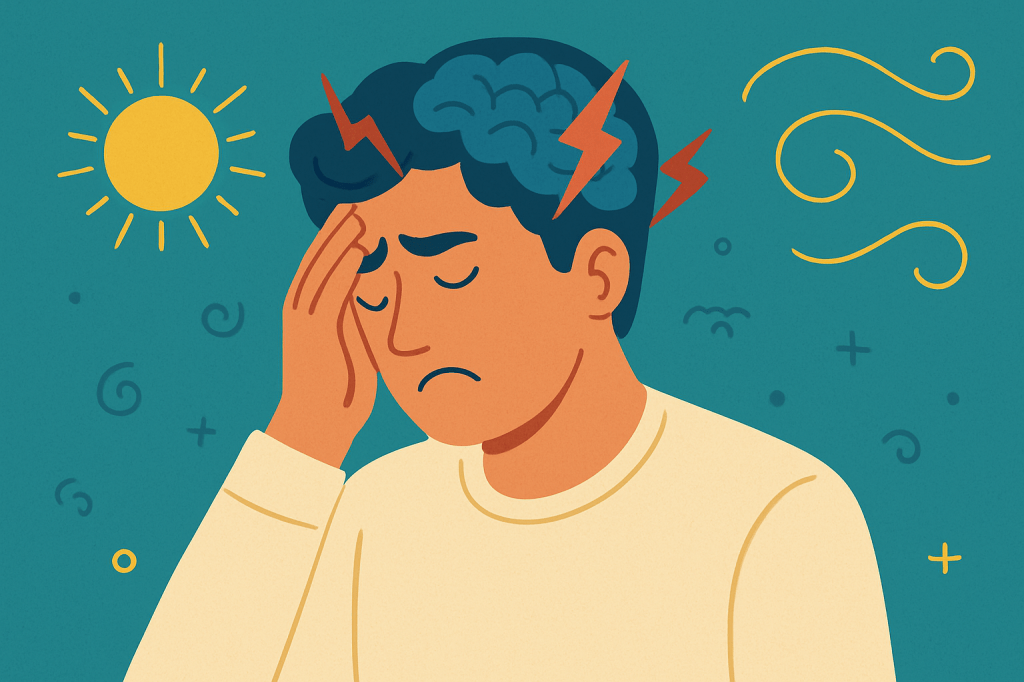
First, let’s talk circadian rhythm. Your internal body clock loves a routine. Then the weekend hits, and you Netflix till midnight, sleep in, and snack at hours that would make your Wednesday self cringe. This shift, known as “social jet lag,” throws off your sleep-wake cycle just enough to make Monday feel like a time-travel hangover. Studies show that even a one-hour shift in wake time can disrupt your mood and cognitive function source.
Then there’s cortisol. On Monday morning, your cortisol (also known as the stress hormone) spikes higher than other days of the week. It’s like your body’s version of an overprotective mom, throwing stress confetti in your face before you’ve even brushed your teeth. You’re literally waking up wired for worry.
The Psychology of Transition: Weekend to Workweek
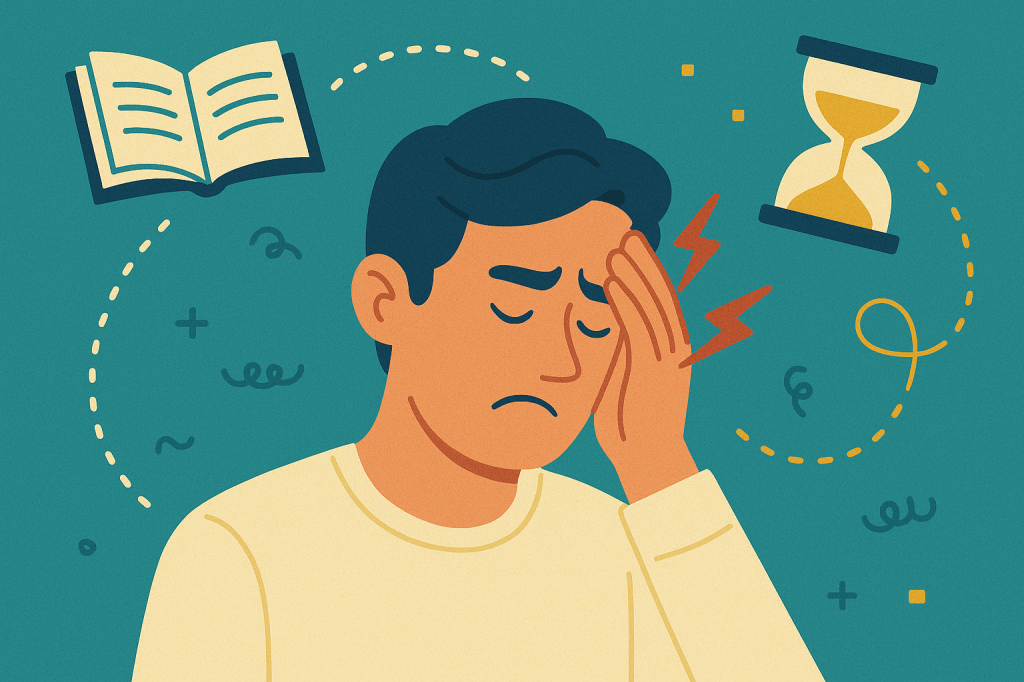
Weekends feel like a choose-your-own-adventure novel. Mondays are more like someone handing you a to-do list and saying, “Run.” This mental shift from leisure to structure requires something called “executive function,” which unfortunately doesn’t come with a snooze button. Your prefrontal cortex is the brain’s CEO, and on Monday, it’s still in bed.
Psychologists also talk about the “contrast effect,” where the joy of the weekend makes Monday feel even more unbearable by comparison. Add in task aversion (the technical term for “ugh, I don’t want to”) and you’ve got a perfect storm of procrastination and internal whining.
How to Hack Your Monday: Science-Backed Strategies
Start Sunday Smart
Begin with your Sunday setup. Keep your sleep and wake times within an hour of your weekday schedule. No more Sunday night horror-movie marathons unless you enjoy waking up with the emotional range of a potato. Also, prep your Monday tasks ahead of time with a simple planner to reduce decision-making first thing.
Front-Load Dopamine
Start Monday with something you actually look forward to. Whether it’s a favorite podcast, a ten-minute walk with coffee, or dancing in your bathrobe to Lizzo, you’re giving your brain a hit of dopamine. It’s the feel-good neurotransmitter it’s been missing since Friday at 5 p.m.
Use Light Exposure and Movement
Open your blinds or step outside for some sunlight within 30 minutes of waking up. It signals to your body that it’s time to be alert. Pair it with a quick stretch or a compact under-desk cycle and you’ve basically biohacked your way to not hating life.
Chunk Your Tasks
Break your work into small, manageable chunks. Your brain loves progress. It’s like giving a treat to a stubborn dog every time it sits. Use timers or time-blocking apps to stay focused without overwhelm.
Limit Decision Fatigue
Steve Jobs wore the same outfit every day for a reason. Lay out your clothes, pack your lunch, and know what your Monday dinner plan is before Sunday night hits. Less thinking means less stalling.
Real Talk: Mondays Might Never Feel Amazing and That’s Okay
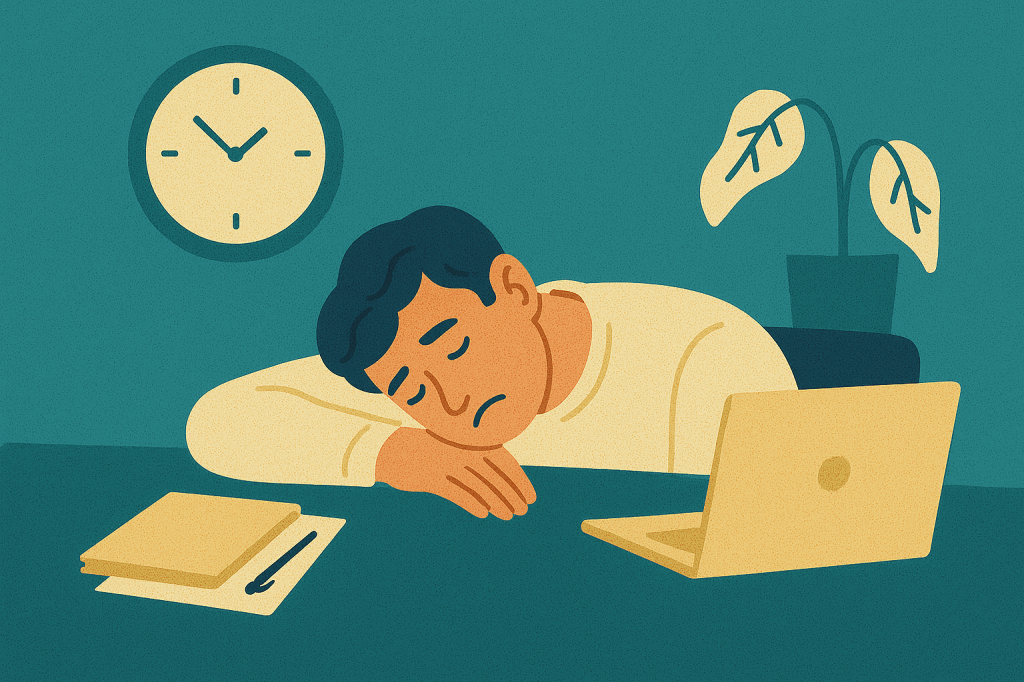
Look, we’re not trying to turn Monday into a spa day. The reality is, your brain is built to conserve energy and avoid pain. That includes spreadsheets, meetings, and Slack messages. But by knowing how your biology works, you can stop blaming yourself and start working with your brain instead of against it.
The goal isn’t to love Mondays. It’s to hate them a little less while quietly outsmarting your own resistance.
Final Thoughts
Your dislike of Mondays isn’t about being lazy. It’s a clash of biology, psychology, and the cruel invention of the five-day workweek. With a little prep, a few well-timed dopamine boosts, and some light exposure, you can shift from dreading Mondays to maybe tolerating them.
Want to dive deeper into weekday optimization? Check out our related guide:
Upgrade Your Week: 5 Small Tweaks That Create Massive Monday Momentum


Leave a comment