

Introduction: Why Better Sleep Starts Tonight
We live in a world that worships hustle but neglects rest. While caffeine and willpower can carry you through a few groggy mornings, chronic sleep debt quietly sabotages everything from your mood and metabolism to your memory and immune system. According to the CDC, nearly one-third of American adults don’t get enough sleep, and millions more struggle with poor quality rest.
But the good news? You don’t need a total lifestyle overhaul to start sleeping better. With a few smart upgrades grounded in science, not gimmicks, you can begin to feel a noticeable difference in just one night. This article explores simple, evidence-backed changes you can make to your space, habits, and gear that will transform the way you sleep.
I’ve tried everything from blackout curtains to cooling pillows in pursuit of better rest and the results have been life-changing. Whether you’re dealing with racing thoughts, noisy neighbors, or restless legs, these proven strategies can help you reclaim your nights and feel sharper, calmer, and more energized during the day.
1. Start with Light: Trick Your Brain into Rest Mode
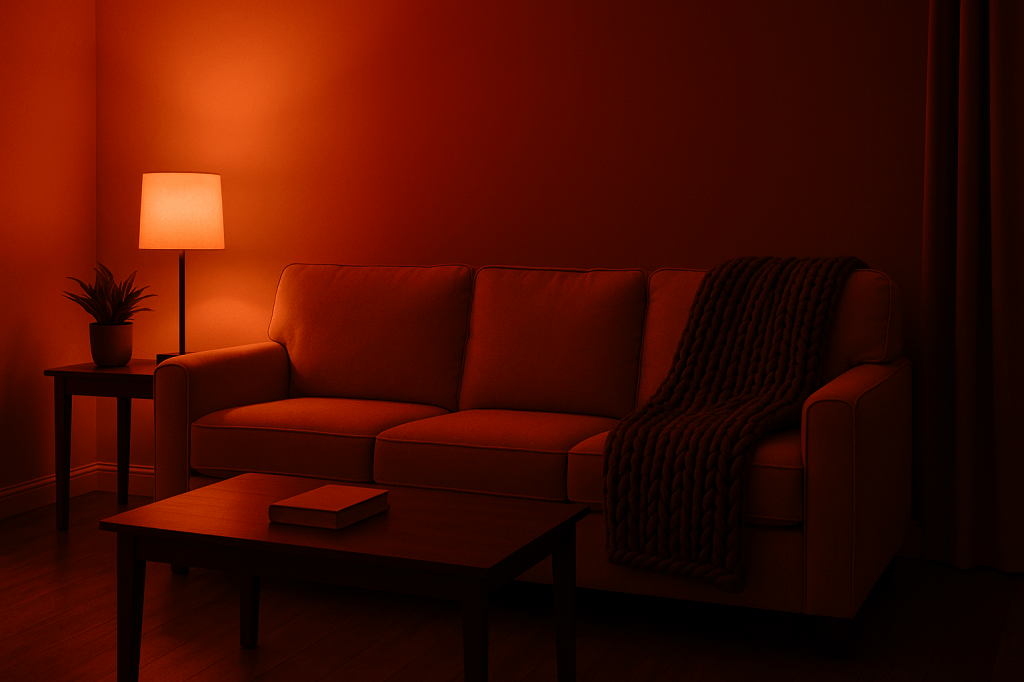
The biggest driver of your body’s sleep-wake rhythm is light. Blue light from phones, TVs, and overhead LEDs delays melatonin production, keeping your brain alert long past bedtime. To fix this, start managing your light exposure 1–2 hours before sleep.
A quick and powerful solution? Swap out your bedroom bulbs for amber-toned, low-lumen lighting like the Hatch Restore 3 or GE Relax LED Warm Bulbs. These mimic sunset lighting, signaling to your brain that it’s time to wind down. The Hatch also includes a sunrise alarm and white noise machine, making it an all-in-one powerhouse for sleep hygiene.
You can also wear blue light blocking glasses for screen time at night—studies show they can improve sleep quality and reduce sleep latency. These changes help align your circadian rhythm naturally without forcing you to completely ditch evening tech habits.
2. Block the Noise: Create a Calm Sonic Environment
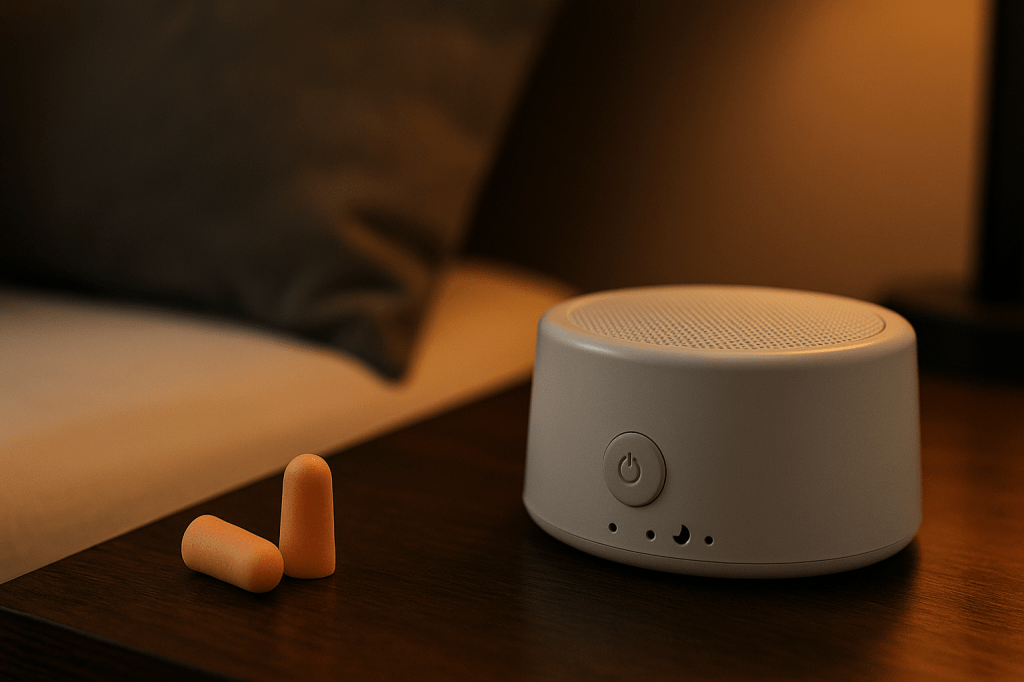
Even small sounds—like a car door or a ticking clock—can interrupt your sleep cycle without fully waking you up, reducing your deep sleep stages. That’s why soundproofing your space or adding a layer of consistent sound can make a massive difference.
One of the most effective tools is a white noise machine, which creates a consistent audio blanket that masks disruptions. For a more flexible option, consider the LectroFan Micro2, a travel-sized white noise and Bluetooth speaker in one.
If your bedroom faces a noisy street or you share a wall with snorers, memory foam earplugs can help too. They mold to your ear shape and block out background sound better than standard foam. Pair these with a relaxing sleep playlist, and you’ll create a personal sound sanctuary that encourages uninterrupted rest.
3. Cool Down: Optimize Temperature for Deeper Sleep

Your body temperature naturally drops at night to support melatonin production and deep sleep. But if your bedroom is too hot or you’re buried under heat-trapping blankets, you’re working against your own biology. Experts recommend keeping your room between 60–67°F for optimal rest.
If you can’t lower your thermostat that much, try using a cooling blanket or gel-infused memory foam pillow. These products are designed to dissipate heat and regulate body temperature throughout the night.
For a tech-forward option, the ChiliPad Dock Pro or BedJet 3 Climate Comfort System lets you set your exact bed temperature, even allowing for dual-zone control if you share a bed with someone who runs warmer or cooler. The result? Fewer night sweats, fewer wakeups, and much deeper sleep.
4. Set the Scent: Use Aromatherapy to Calm the Nervous System
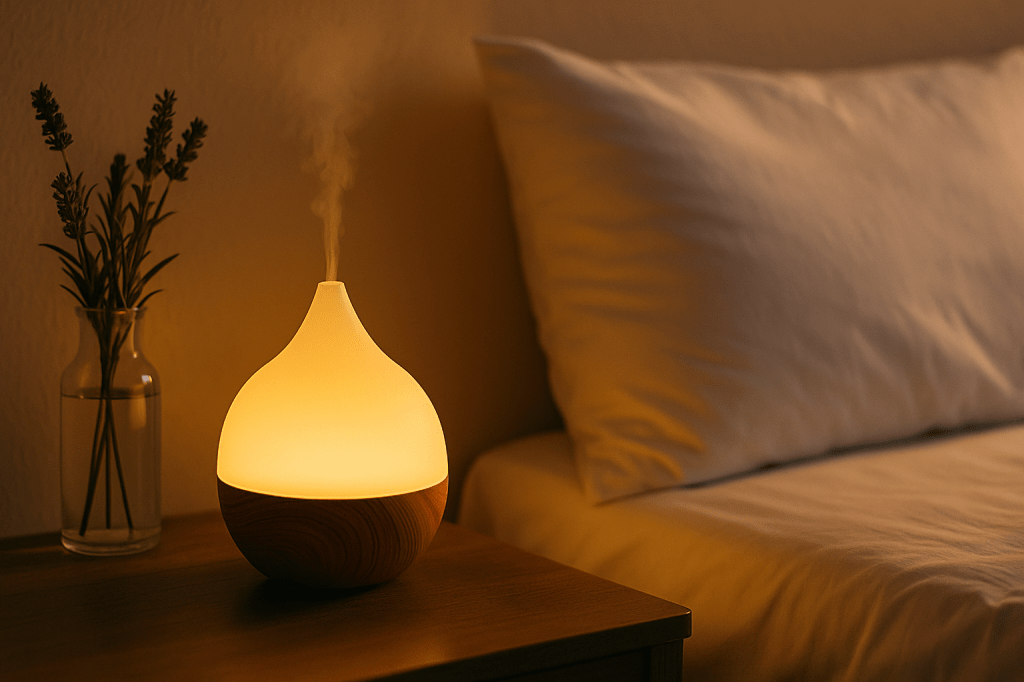
Scent is one of the fastest ways to influence the brain. Studies show that certain essential oils—especially lavender, cedarwood, and bergamot—can reduce heart rate and stress, helping your body shift into rest mode faster.
You don’t need a spa setup. A simple ceramic diffuser paired with a high-quality lavender essential oil can transform your entire bedroom atmosphere. For a more passive option, try a lavender pillow spray or essential oil plug-in diffuser that activates automatically before bed.
These scents work by interacting with the brain’s limbic system—helping quiet racing thoughts and triggering physical relaxation. Add this to your nightly ritual, and your brain will start to associate the scent with sleep, making it easier to unwind over time.
5. Reset Your Bed: Upgrade the Mattress, Sheets & Sleep Surface

If you’ve ever woken up stiff, sore, or still tired, your bed might be to blame. You spend nearly a third of your life sleeping—investing in the right setup pays massive dividends in daily energy and long-term health.
Start with the basics: breathable sheets like the Bamboo Bed Sheets stay cool, wick moisture, and feel luxurious. If your mattress is older than 7–10 years or sagging, a good gel memory foam topper can make a big difference without requiring a full replacement.
But if you’re ready for the full upgrade, consider a mattress with pressure relief and cooling tech like the Zinus Green Tea Memory Foam Mattress. It’s one of the best-rated budget options with thousands of rave reviews—and the green tea infusion naturally combats odors while promoting calm.
6. Hack Your Habits: Build a Pre-Sleep Routine That Actually Works
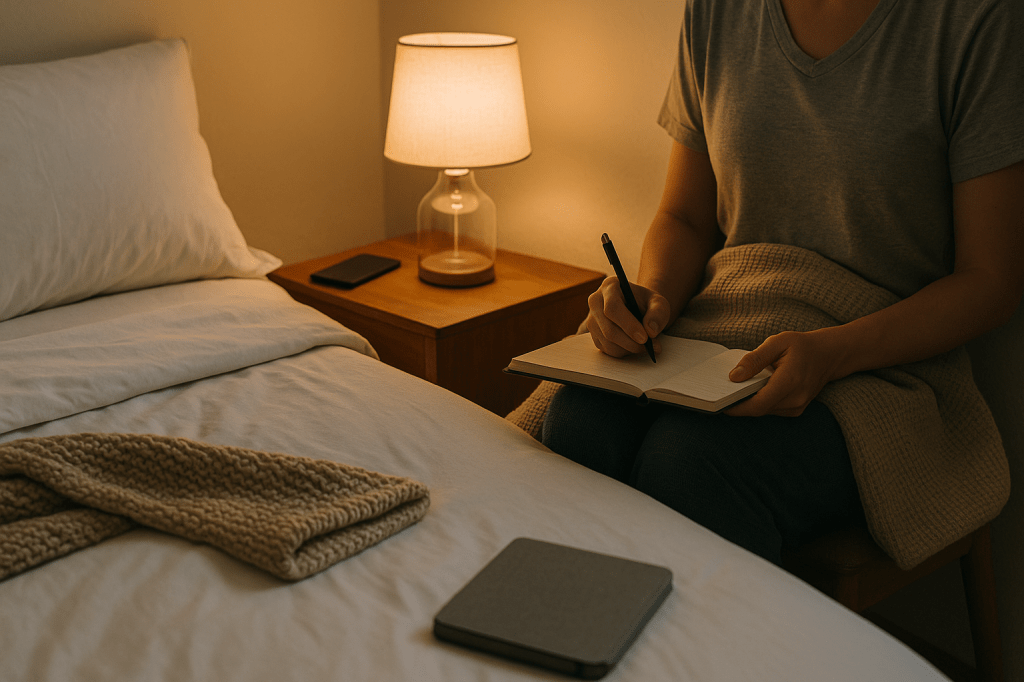
All the products in the world won’t help if your habits signal your brain to stay wired. A pre-sleep wind-down routine is like a runway for your mind—it prepares you to take off into deep, restful sleep.
Start by setting a reverse alarm an hour before bed to begin powering down. Use this time to dim the lights, put away work devices, and do something analog—like reading, journaling, or stretching. Adding in a weighted blanket during this phase has been shown to reduce cortisol and increase serotonin, both of which promote restful sleep.
If anxiety or overthinking are issues, try a guided meditation with Insight Timer or the Calm app, both of which have sleep-specific content. Even five minutes of deep breathing or gratitude journaling can redirect your mental energy from racing to resting.
Final Thoughts: Rest Is the Ultimate Upgrade
We often chase productivity, clarity, and energy with more work, more tools, or more caffeine. But the real foundation for all of that is sleep. When you sleep better, everything else follows—your focus sharpens, your mood lifts, and your body performs at its best. The path to better rest doesn’t have to be overwhelming or expensive—it’s about making intentional shifts, one night at a time.
You don’t need to implement all these upgrades at once. Start with the one that fits your current biggest challenge—whether it’s noise, temperature, or racing thoughts—and build from there. The important part is realizing that sleep isn’t a luxury. It’s a foundational tool for living better, thinking clearer, and feeling fully alive.
So tonight, ditch the doom scrolling. Light a candle. Put on a playlist. Breathe deep. And let the science of sleep carry you into tomorrow—rested, recharged, and ready.


Leave a comment