
Introduction: A Return to Cyrodiil
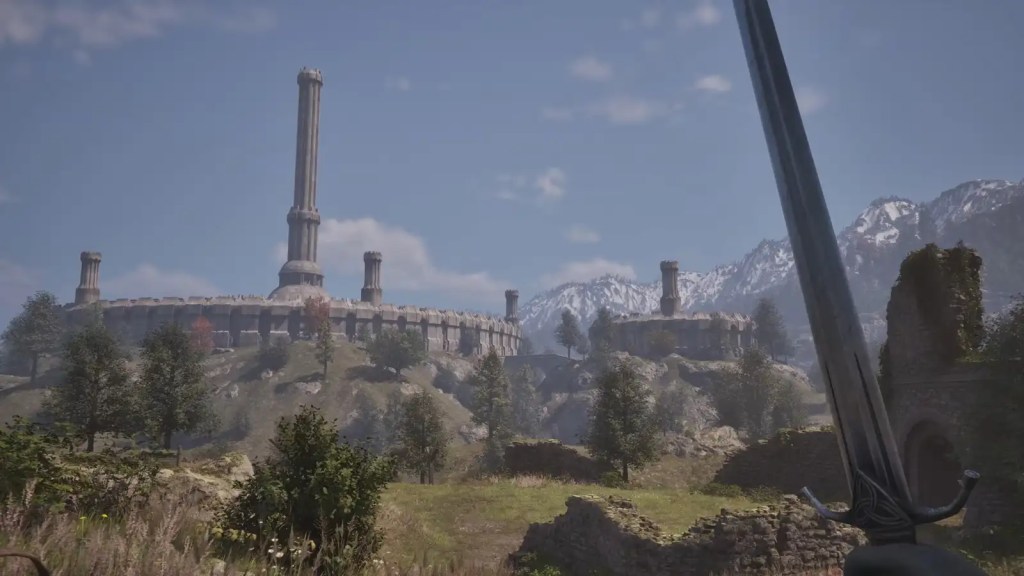
When Bethesda released The Elder Scrolls IV: Oblivion in 2006, it reshaped open-world RPGs and set a new standard for player freedom, ambition, and immersive storytelling. Now, nearly two decades later, Oblivion Remastered seeks to bring that magic to modern audiences—rekindling the nostalgia of longtime fans while introducing a new generation to the imperial province of Cyrodiil.
Remastered with rebuilt lighting systems, AI improvements, quality-of-life upgrades, and full compatibility with modern hardware, the new Oblivion is more than just a visual facelift. But does it hold up in 2025, especially after the evolution of RPGs like Skyrim, The Witcher 3, and Elden Ring?
Let’s dive deep into this massive reimagining of a classic.
Visuals & Graphics Overhaul
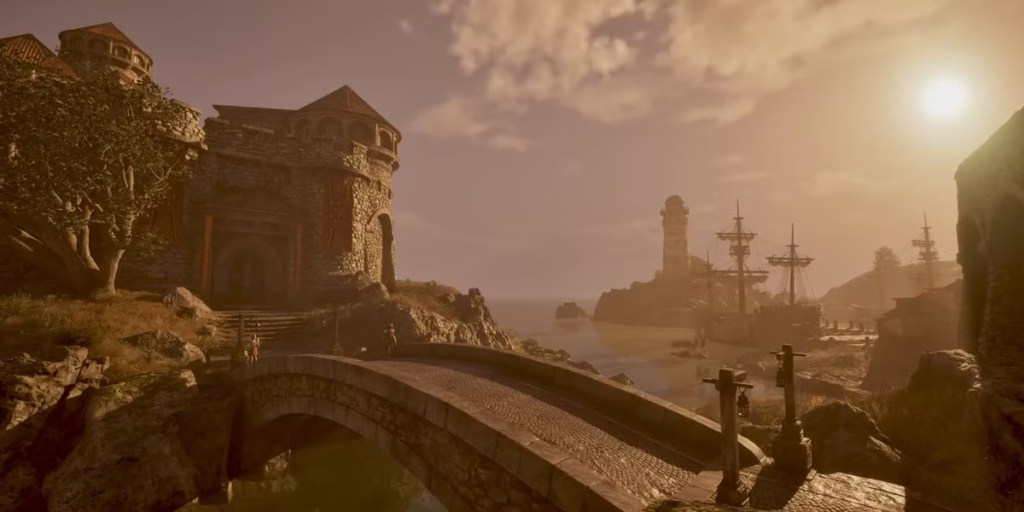
Bethesda partnered with a dedicated visual enhancement team for this remaster, and it shows. The updated graphics are perhaps the most immediately impressive feature. Gone are the flat textures and clay-like faces. In their place are lush, sprawling forests, retextured armor with real weathering, reflective water, and dynamic lighting that completely redefines Cyrodiil’s mood and atmosphere.
Cities like Skingrad and Anvil feel alive with warm lighting and architectural detail. Dungeons now evoke actual dread, with shadows flickering across moldy stone. Character models still carry a touch of Oblivion’s oddball charm, but they’re dramatically improved in detail and realism—especially when you zoom in on eyes, facial animations, and gear.
The remaster supports 4K resolution with high frame rates across PC and next-gen consoles, and performance remains stable even in crowded cities or intense spell battles. Load times are essentially nonexistent on solid-state drives, making fast travel and zone transitions feel truly seamless.
Gameplay Experience: Still Weird and Wonderful
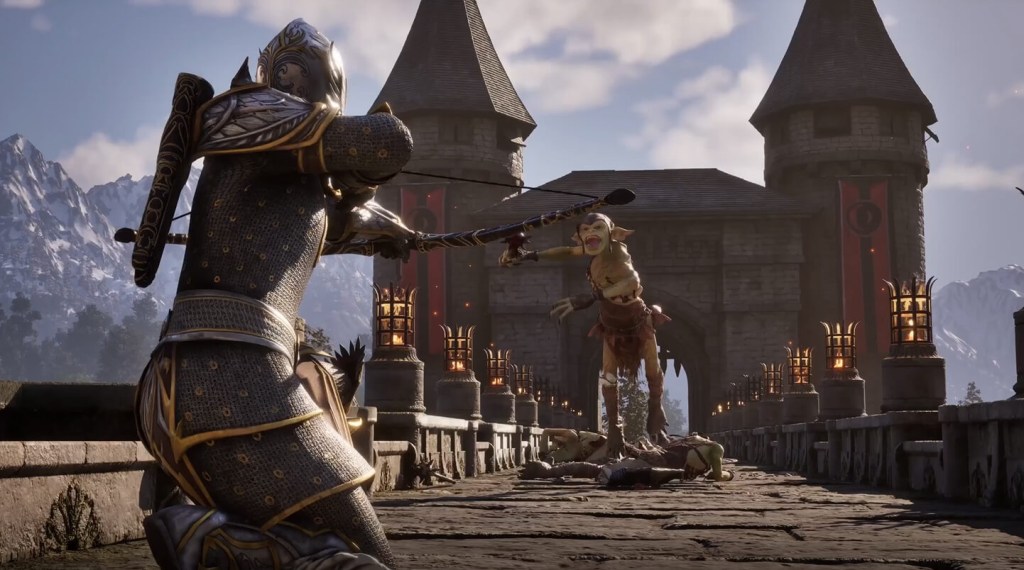
Core gameplay in Oblivion Remastered retains its original systems, but the update layers in new responsiveness and polish. Melee combat still has a rhythmic, almost theatrical quality—block, swing, time your strikes—but it’s smoother now with faster animations and more readable enemy cues.
Magic has been overhauled slightly, particularly in spell effects and responsiveness. Chain-casting feels much better, and dual casting is now supported by default. Archery benefits from tighter aiming and faster arrows, which makes stealth gameplay more satisfying.
Perhaps the most dramatic change is AI behavior. NPCs feel more aware and dynamic thanks to tweaks in the Radiant AI system. They now respond more intelligently to crimes, sneak attacks, and even environmental hazards.
The user interface has been modernized—cleaner fonts, easier hotbar organization, and improved map navigation. Inventory management is still dense, but sorting filters make it more manageable. The game also includes an optional HUD overhaul that closely resembles Skyrim’s interface, which many players will appreciate.
Story & Immersion: Timeless Quests, New Polish
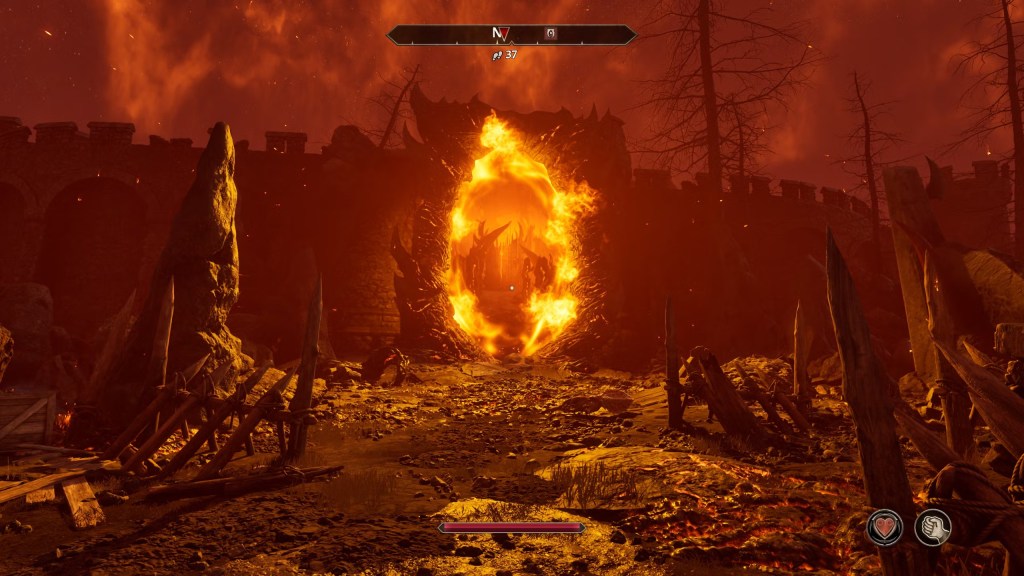
Even nearly 20 years later, Oblivion’s narrative arcs remain powerful. The main questline—centered around the assassination of Emperor Uriel Septim and the Daedric invasion—is still gripping. The moment you step through your first Oblivion gate in Kvatch feels as epic now as it did in 2006, thanks to updated cinematic cutscenes and voice mixing.
The real gems of Oblivion, though, are its guild questlines. The Dark Brotherhood storyline, full of betrayal and morbid intrigue, remains unmatched in the series. The Thieves Guild offers clever heist mechanics, now aided by smoother stealth controls and better lockpicking feedback. The Mages Guild arc still delivers that classic rise-from-apprentice-to-Archmage experience, and with graphical upgrades to spellcasting halls and artifacts, it’s more immersive than ever.
Dialogue has been cleaned up—while the original recordings remain, background hiss and audio inconsistencies have been addressed. And yes, the infamous reused voice actors still crop up occasionally, but it’s part of the charm. Plus, remastered music tracks by Jeremy Soule (with new orchestrated versions) help elevate the emotional beats of major quests.
Mod Support & Community Expansion
Bethesda made a savvy move by launching Oblivion Remastered with full mod support through Nexus Mods and the new Creation Club 2.0. This is huge, especially for longtime fans who’ve built entire playthroughs around community mods.
Most legacy mods require minimal patching to work, and several visual mods have been reworked specifically for the remaster. Already, we’re seeing gorgeous ENBs, lore-friendly weapon packs, and even quest expansions getting ported.
If you’re playing on PC, consider installing the following:
- Oblivion Reloaded 2025 – Graphics and physics overhaul
- Better Cities Remastered – Enhanced urban environments
- Unofficial Patch 2025 – Fixes hundreds of lingering bugs
Bugs, Glitches & Growing Pains
While Oblivion Remastered is technically sound for the most part, some launch hiccups remain. A few users report crashing when transitioning between exterior zones at high frame rates. Others have experienced minor quest triggers failing—most of which have already been patched within the first month.
Bethesda has also rolled out hotfixes addressing controller remapping issues, animation glitches during horseback combat, and inventory lag when hoarding too many items. Mod-heavy playthroughs may still encounter crashes, but that’s expected in Elder Scrolls territory.
Nothing game-breaking remains as of the latest update, and the remaster is in a better state at launch than Skyrim Special Edition ever was.
Final Verdict: A Worthy Rebirth
So, does Oblivion Remastered deliver? Absolutely. It’s a love letter to one of the most beloved RPGs of all time—one that preserves the quirks while polishing the experience for modern gamers.
For newcomers, it’s a golden opportunity to experience the golden age of Bethesda RPGs. For veterans, it’s a nostalgia-fueled deep dive into a world that now looks and plays better than ever.
Sure, it still has its weird AI behavior, its peculiar voice acting overlaps, and some clunky combat design—but that’s what makes Oblivion Oblivion. The remaster doesn’t try to turn it into Skyrim. Instead, it embraces what made the original great and lifts it to new heights.
Rating: 9/10
An unforgettable classic made relevant again with care, style, and substance.
Bonus: Recommended Gear for the Best Experience
- 🎧 Logitech G PRO X 2 Lightspeed Headset – Crystal-clear sound to hear every NPC line and ambient score.
- 🎮 Xbox Elite Series 2 Controller – Exceptional customization and comfort for long RPG sessions.
- 💻 ASUS ROG Zephyrus G14 Gaming Laptop – Plays Oblivion Remastered on ultra with headroom for mods.
Final Thoughts
Whether you’re slaying Daedra or chasing Nirnroots, Oblivion Remastered is a brilliant way to revisit one of gaming’s most unique and ambitious worlds. It’s proof that with the right care and updates, some classics can still outshine even the flashiest of newcomers.
What are your favorite memories of Oblivion? Let us know in the comments—and check out our guide to the best RPGs of 2025 next.


Leave a comment